
Purdue Indianapolis Rocketry Program
When Purdue University opened its engineering campus in Indianapolis in 2024, I was part of the first class. I arrived with real expectations, coming from AFRL, having seen what it looked like when engineers had serious resources and serious missions. What I found was a campus still figuring out what it wanted to be. No established clubs, no maker spaces, no culture of building things. West Lafayette had all of that. We had potential and not much else, and I was paying Purdue tuition for the gap between those two things.
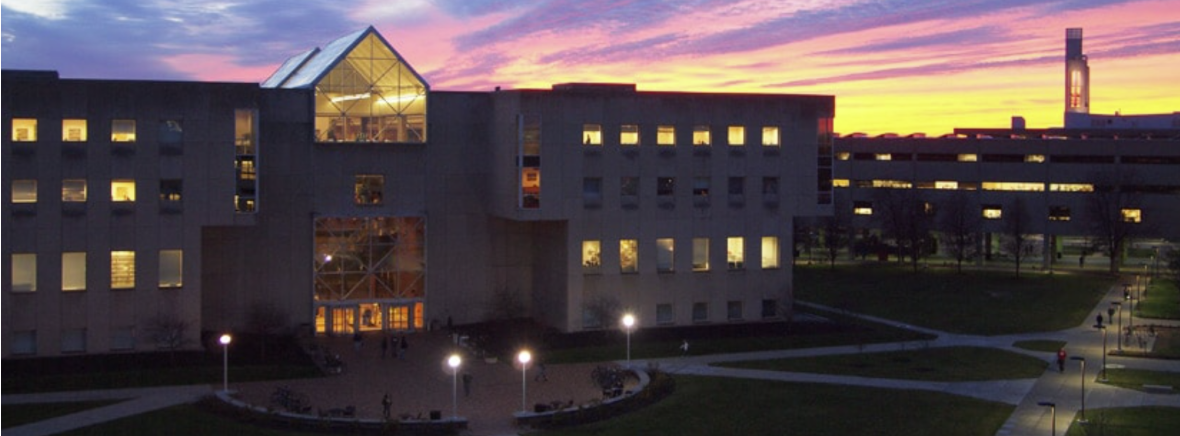
Purdue Indianapolis University Campus
When Purdue University opened its engineering campus in Indianapolis in 2024, I was part of the first class. I arrived with real expectations, coming from AFRL, having seen what it looked like when engineers had serious resources and serious missions. What I found was a campus still figuring out what it wanted to be. No established clubs, no maker spaces, no culture of building things. West Lafayette had all of that. We had potential and not much else, and I was paying Purdue tuition for the gap between those two things.
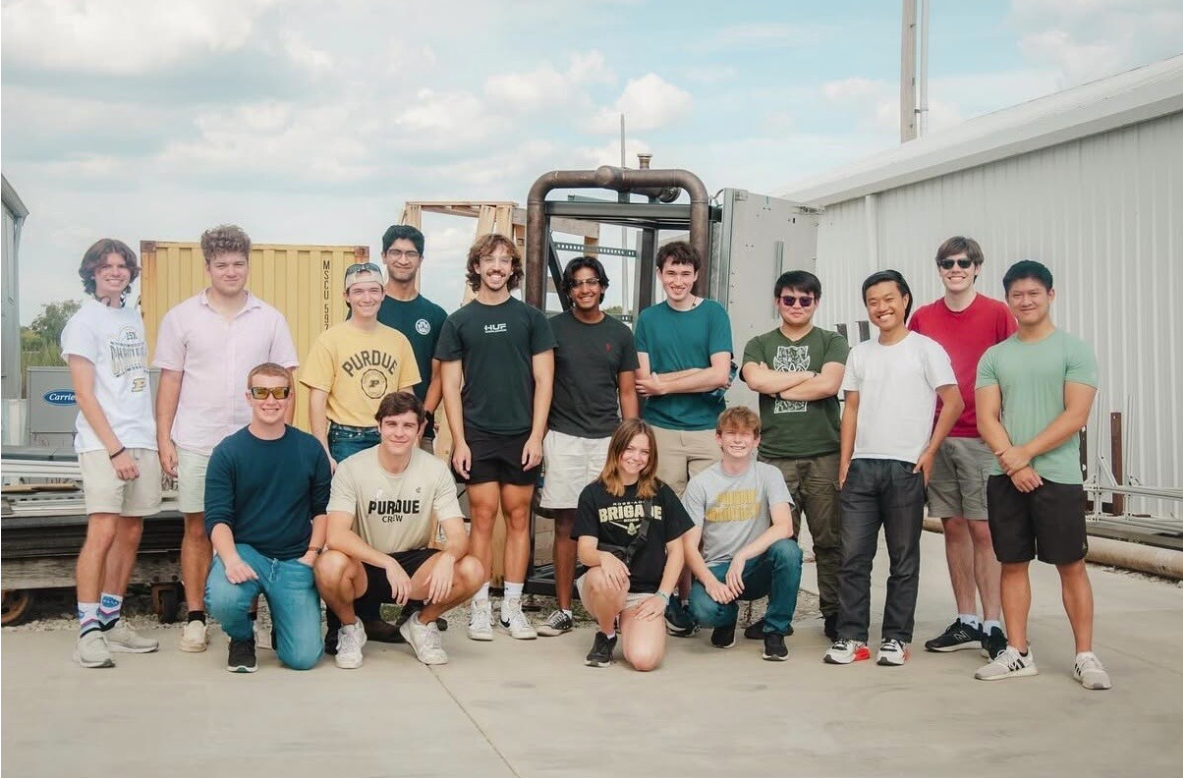
Picture of PSP at Zucrow
My response was not reasonable by most measures. I started taking the Purdue shuttle to West Lafayette three days a week, six hours of round-trip travel because I refused to accept the gap as permanent. I joined the Purdue Space Program, watched how a serious engineering organization operated from the inside, and took notes on everything. I did that for a full semester before reality caught up. The commute was costing me my GPA, and something needed to change. Somewhere on one of those long rides back to Indianapolis, the answer arrived with the kind of clarity that only comes after you have exhausted every other option.
Stop going to the thing. Build it here.
Building Something From Nothing
The pitch to Arvind Raman and Elizabeth Bradshaw was straightforward. The summer that followed was anything but. Nobody saw that summer. It was organizational structure documents written and rewritten, late night texts to people who might become sub team leads, and a seven-year roadmap I called "Touch the Horizon" that I returned to almost every night wondering if any of it was real. The endpoint of the roadmap was the Karman line, the actual edge of space. I knew how that sounded for a program that did not exist yet. But I also knew that if we were going to ask students to give their time and their belief to something, it had to be something worth believing in.
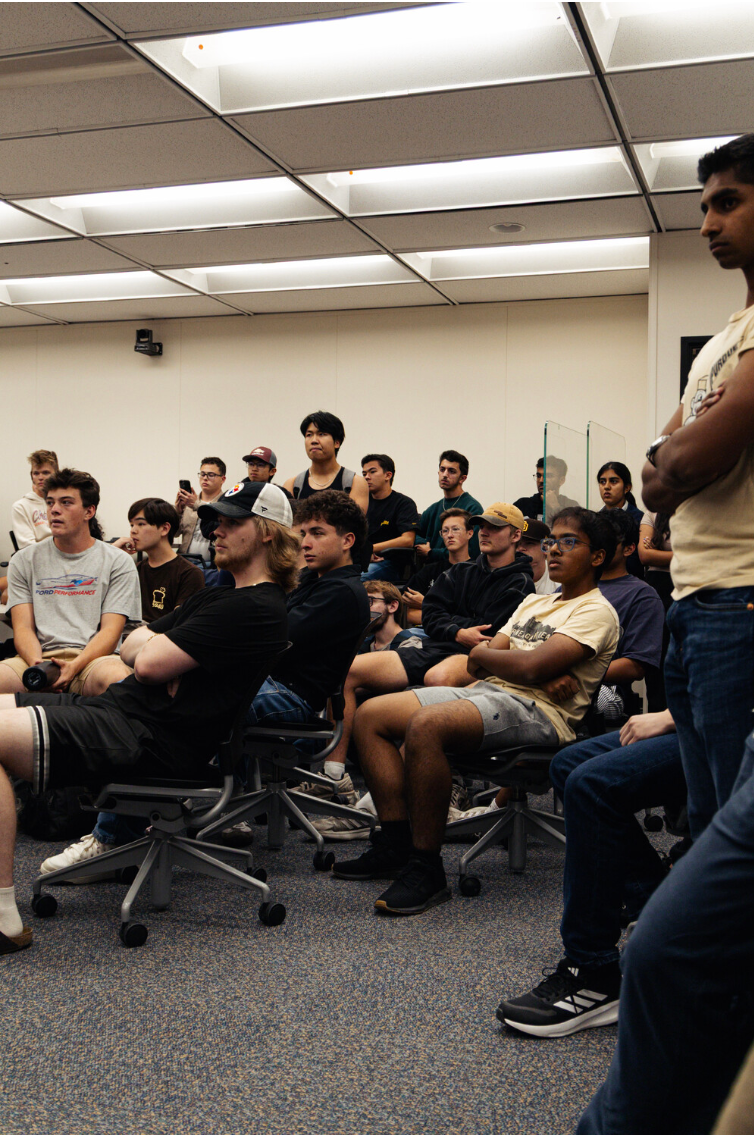
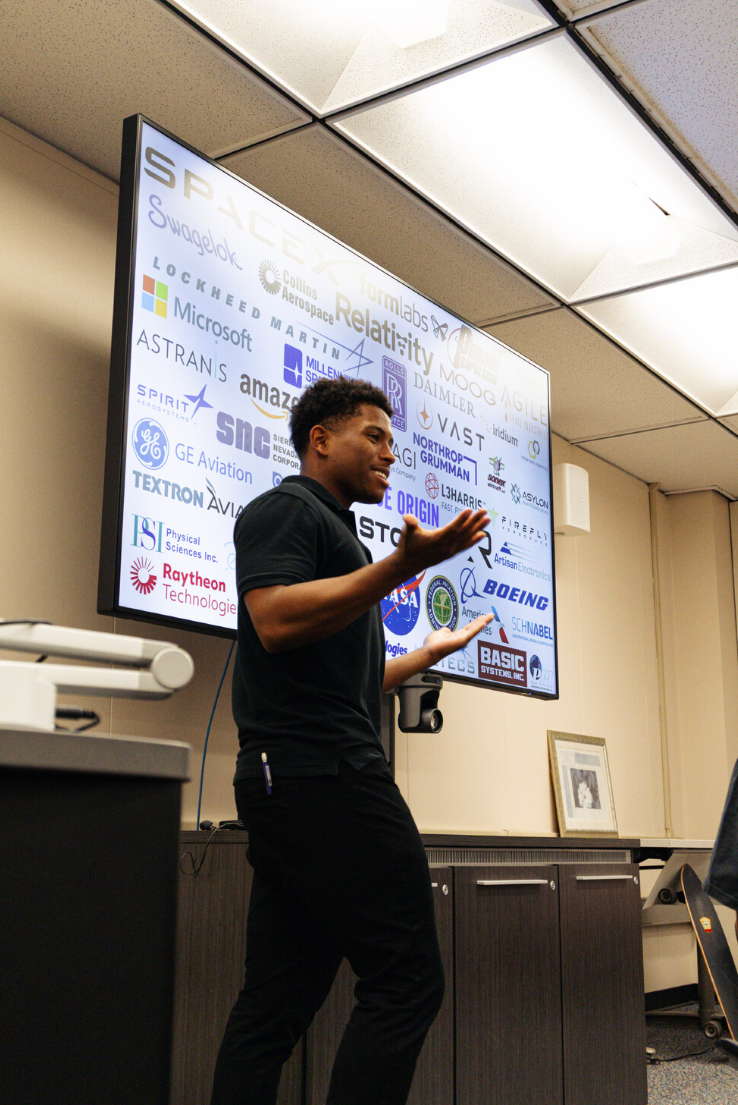
Callout 1
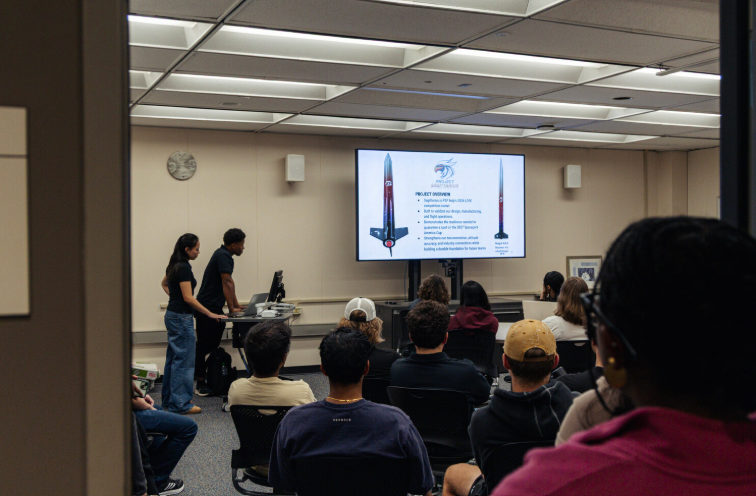
Callout 2
Callout 3
When we came back to campus in the fall and held our first callout meeting, over 70 students walked through the door. I stood up and introduced Sagittarius, our flagship rocket: carbon fiber airframe, a custom avionics dashboard we would build from scratch, and a 10,000-foot target altitude. The energy in the room was real. Underneath it, in the part of me no one in that room could see, was a quieter voice asking whether we could actually pull this off.
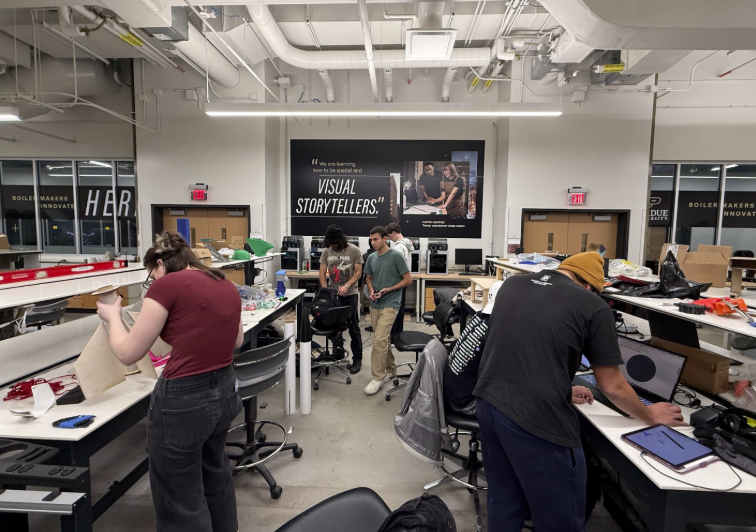
1st Workday
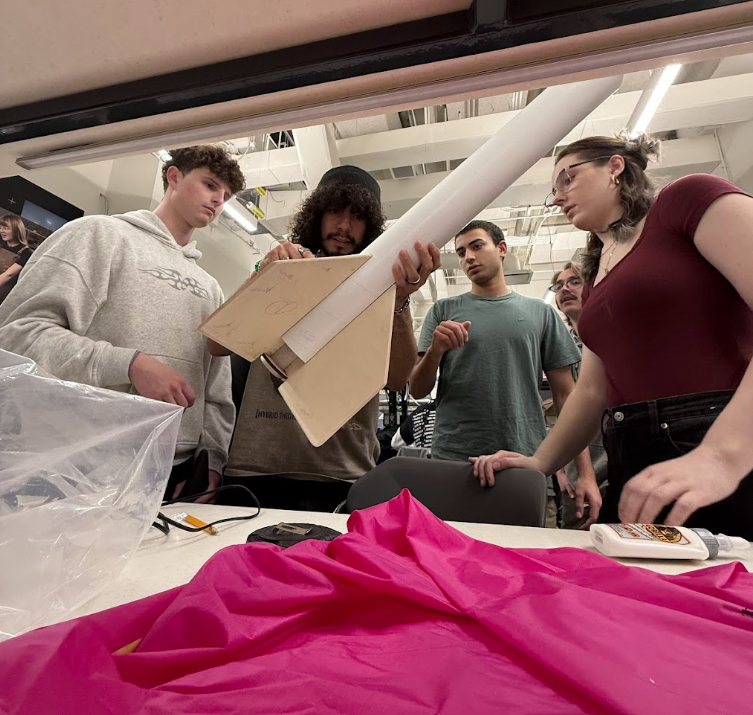
1st Workday
What followed was the hardest thing I have ever managed. +120 people, no dedicated build space, almost no budget, and a project that had never been attempted on this campus before broke every system I tried to set up. Members stopped showing up. My chief engineer left. Critical design review kept getting pushed. The whole organization was quietly losing altitude and I was too close to it to see why. The answer, when I finally faced it, was uncomfortable. I had been inserting myself into technical roles where I was not the most useful person in the room. I am an operations engineer at my core, and trying to be everything else on top of that was costing us months we did not have. The moment I admitted that out loud was one of the harder moments of the entire year. It was also the moment things started to turn.
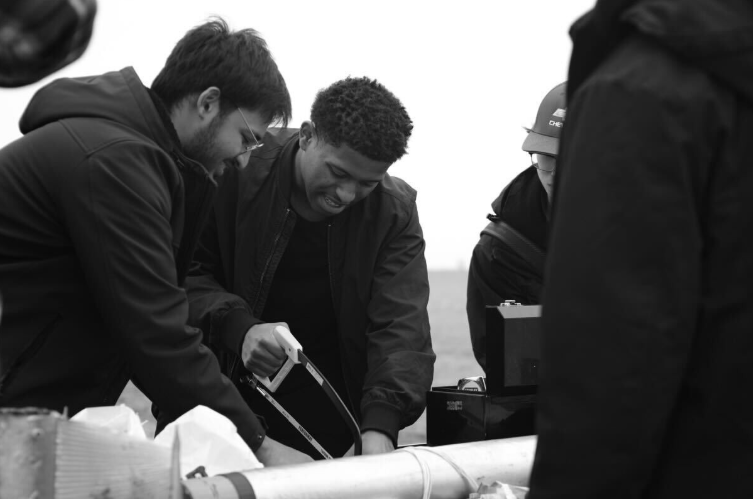
Pictures of us having to saw our casing due to it being too tight
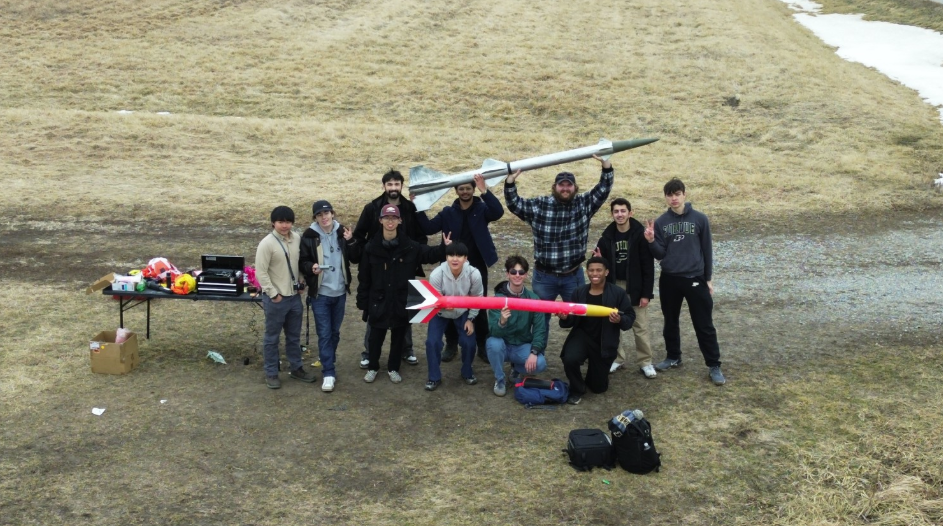
Pictures after launch
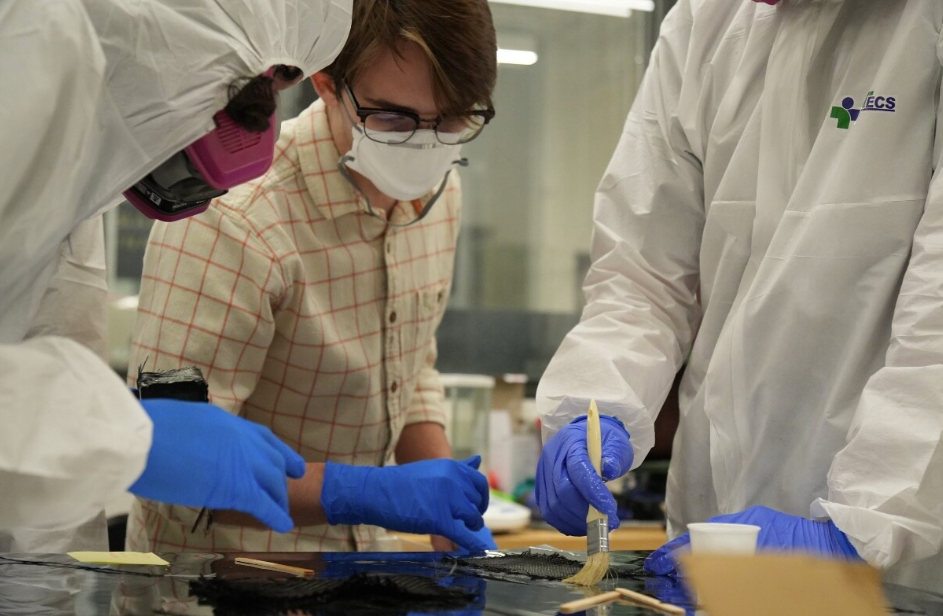
First Successful Carbon Fiber Layup from the manufacturing team
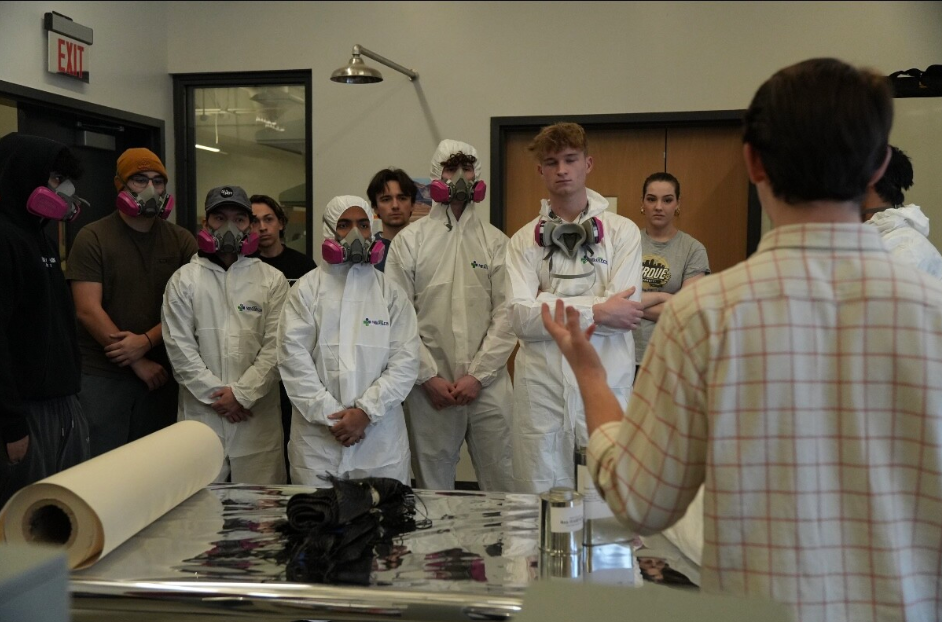
Manufacturing Meeting
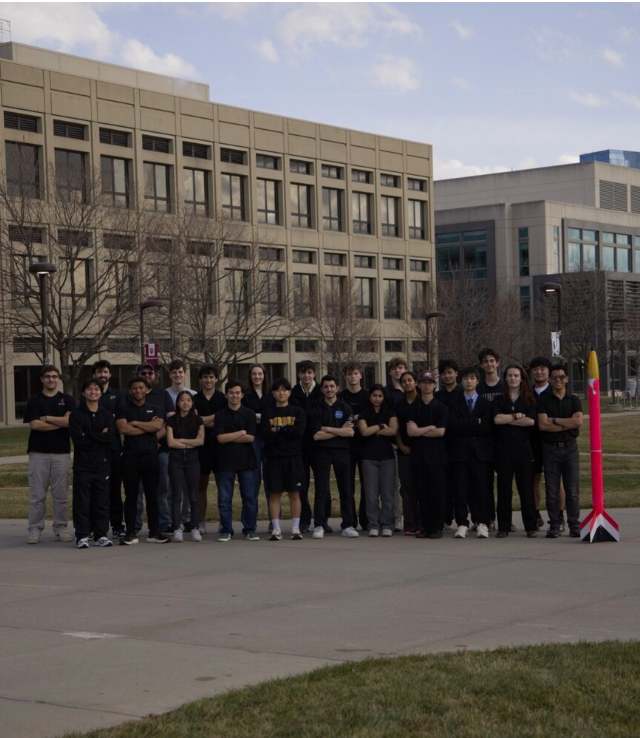
1/2 of the team that showed for picture day
By December we had completed Critical Design Review and earned the green light to manufacture. I rebuilt how we operated from the ground up, clearer goals, real accountability, communication that actually worked, and the organization stabilized. By spring we were the largest student organization on the Purdue Indianapolis campus. Because we had no traditional university fabrication resources, I started reaching out to small local manufacturers cold, and several of them opened their facilities to us for carbon fiber work. That necessity became a genuine competitive advantage, the kind of direct industry access that other university programs spend years trying to develop. And soon we were able to launch our first ever L2 rocket as a team called Flamingo.
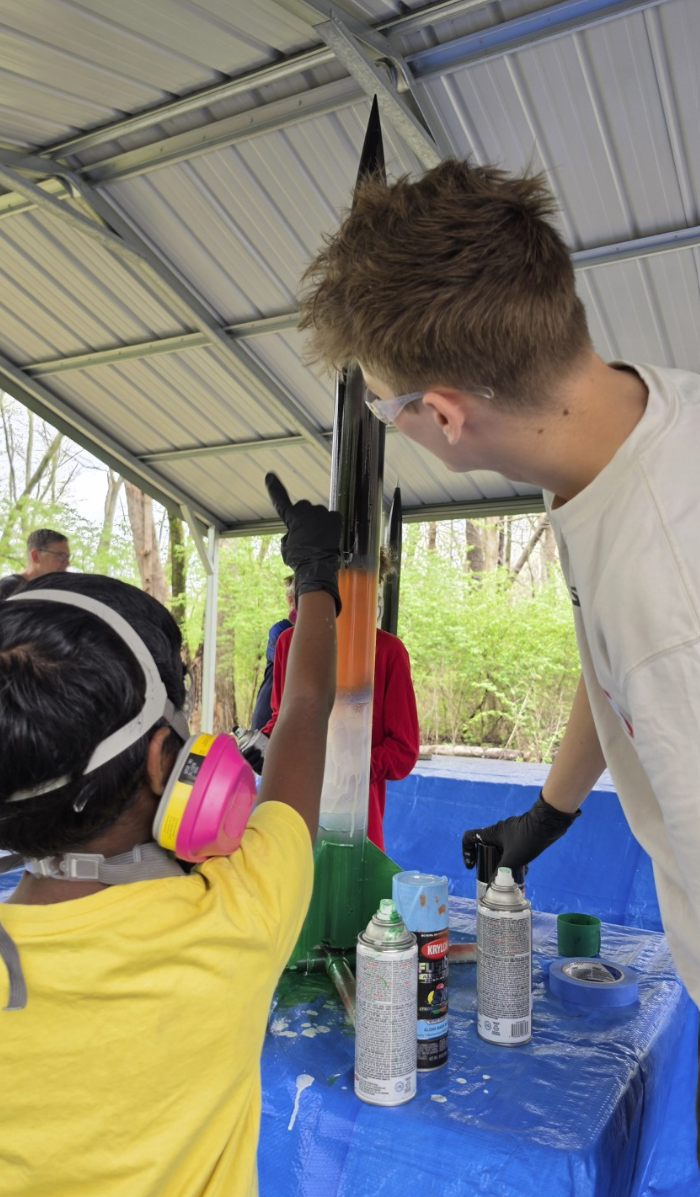
Camp Dellwood
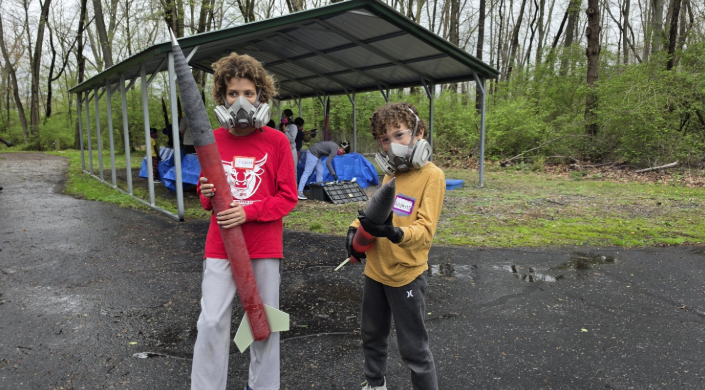
Camp Dellwood
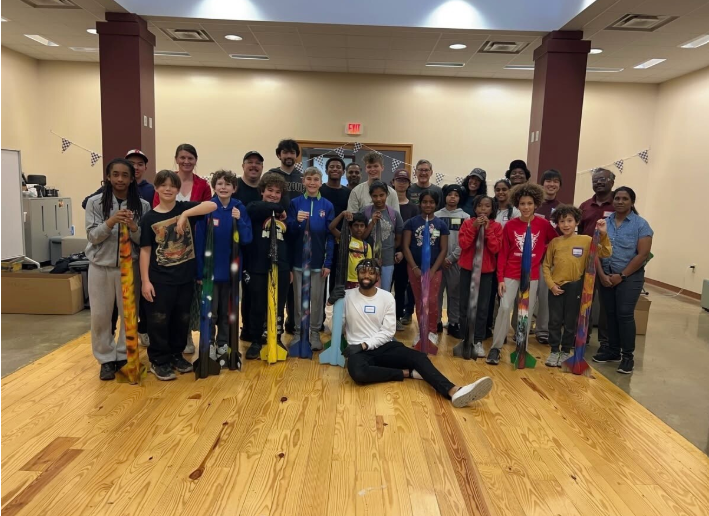
Camp Dellwood
What we built in those final months still feels surreal to say out loud. Eight sponsors. Over $25,000 raised. A research collaboration with Ajay Malshe through Purdue. A custom avionics dashboard designed and tested entirely by our own team. A partnership with Tanaka Chonyera and the MEPI, High Power Rocket Bootcamp, a local youth rocketry program he created where we helped over 30/120 students pursue their Level 1 high-power rocketry certifications, with a goal of reaching 1,000 certified students before the year is out. One thousand kids walking away knowing they are capable of something real.
Link to the program: Indianapolis engineer launches free rocket boot camp for kids | wthr.com
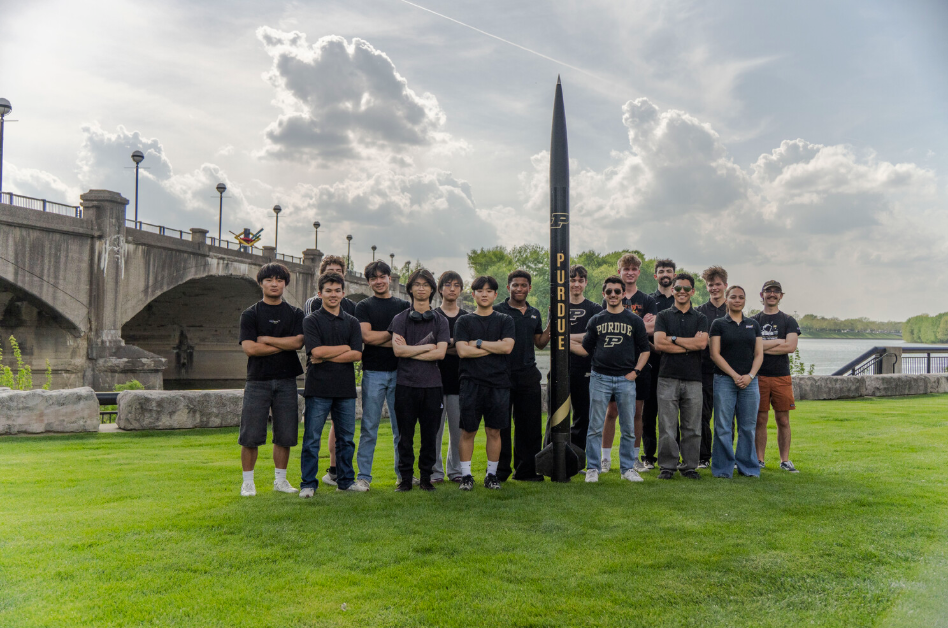
Day Before Launch
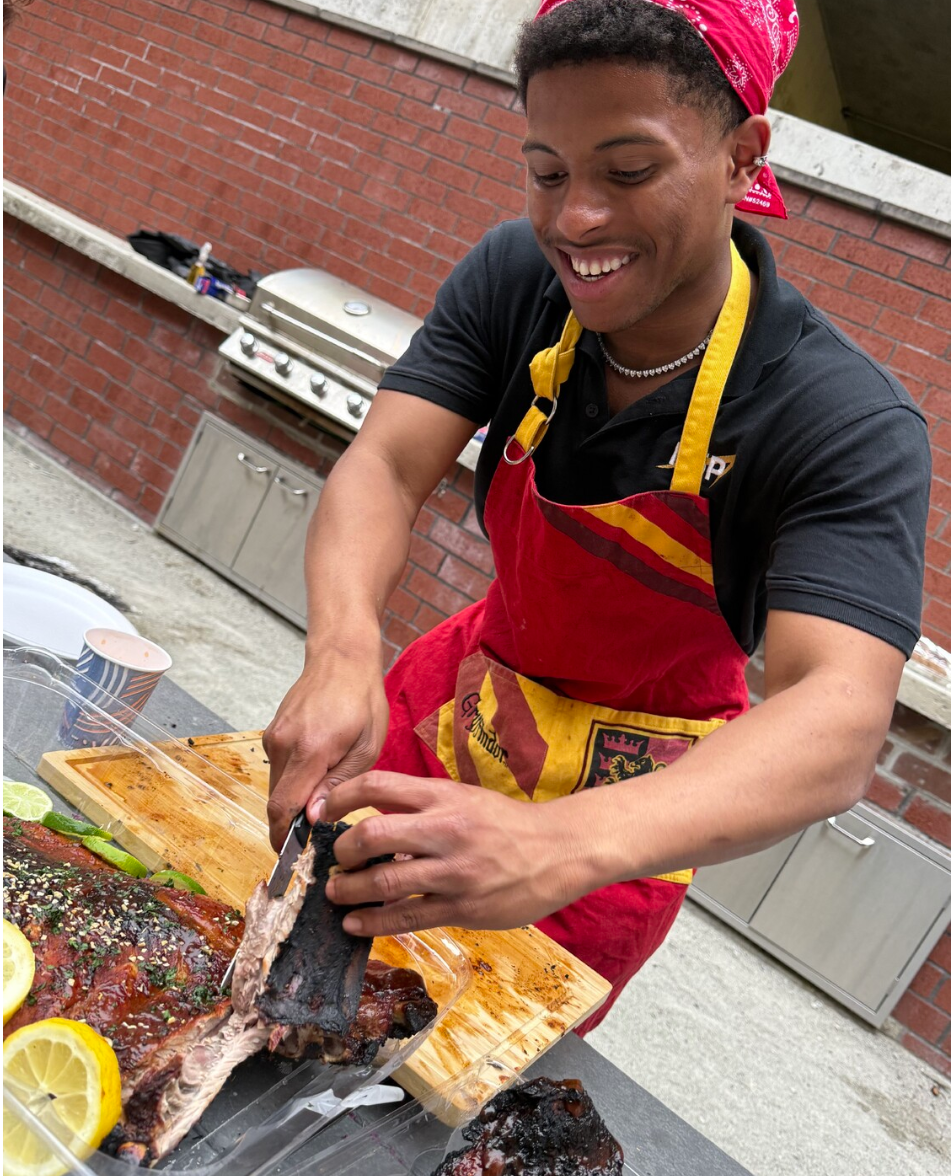
Team cookout - I cooked some mad Memphis ribs
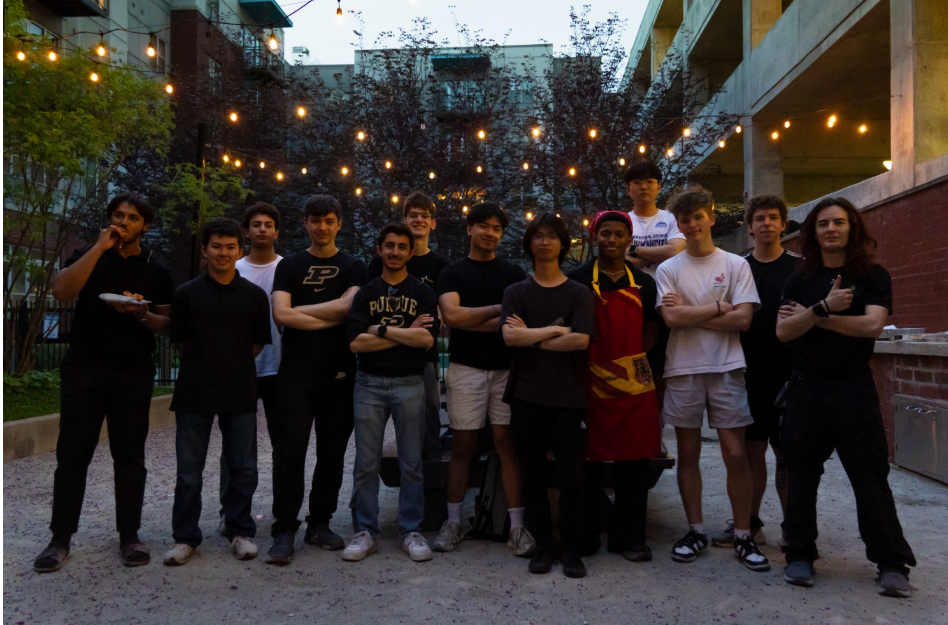
Cookout Photo
And then came launch day. The parachute did not deploy at apogee, and I am not going to pretend otherwise. But a rocket designed and manufactured by students on a campus that had no rocketry program two years ago left the ground and climbed into the sky. Standing on that flight line, watching it fly, I thought about a seventeen-year-old in Mississippi sitting alone with a rejection letter. I thought about the promise I made in that silence, that any team I ever led would be held together by something bigger than fear, by the pride of building something greater than themselves. We did that. We actually did that. And the rocket was almost beside the point compared to what surrounded it: 120 students certified, members who came not knowing what carbon fiber was and left having built with it, a campus that now knew what it was capable of. That was the score I never got to settle in high school. Settled.
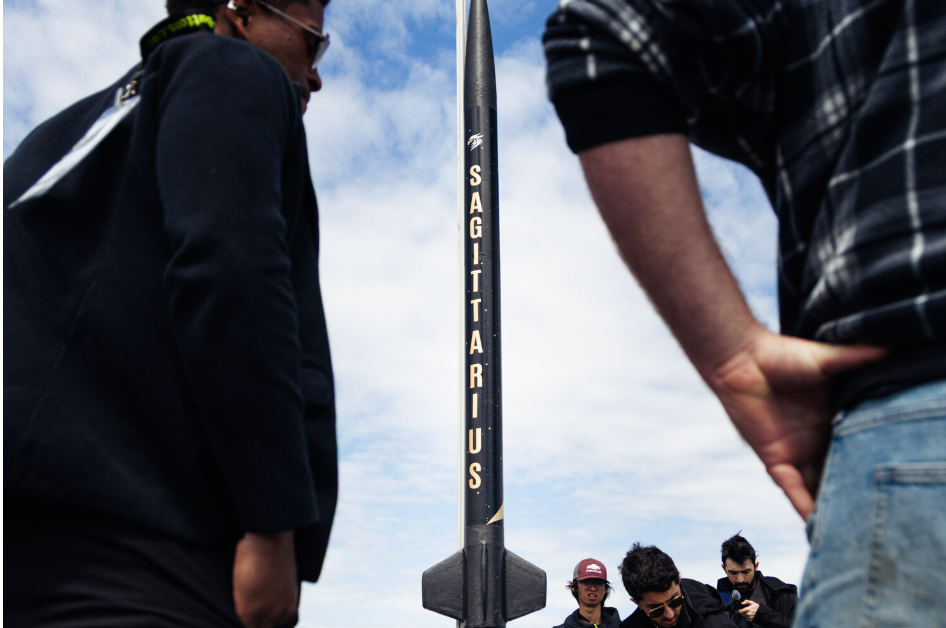
Picture before light
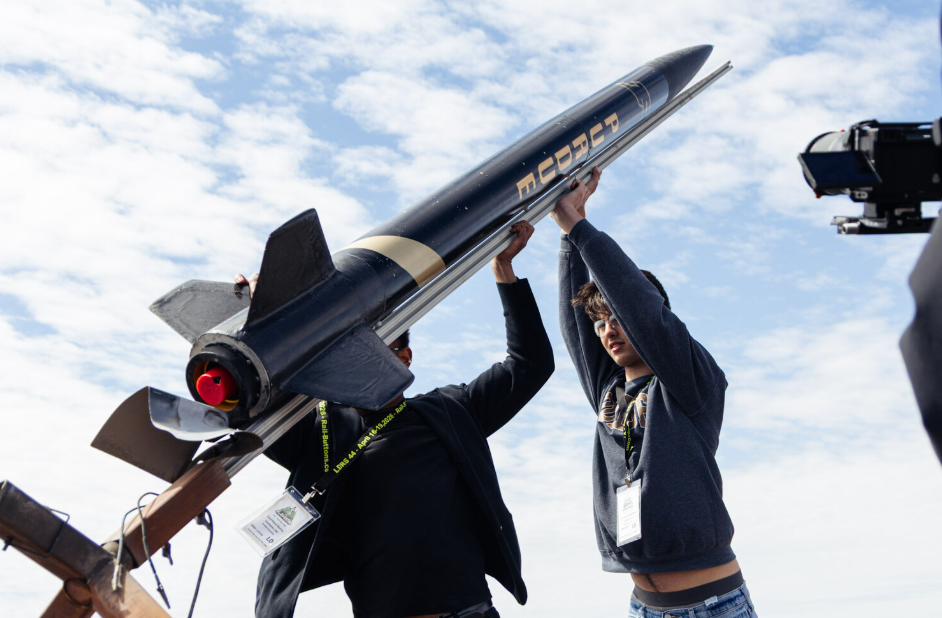
Setting Rocket on Launch Pad
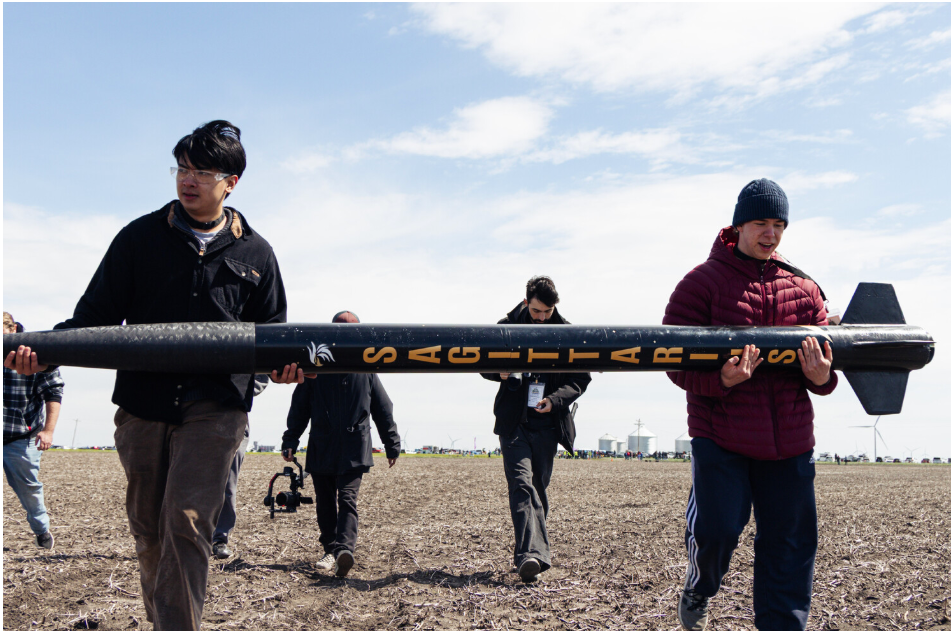
Carrying to launch pad
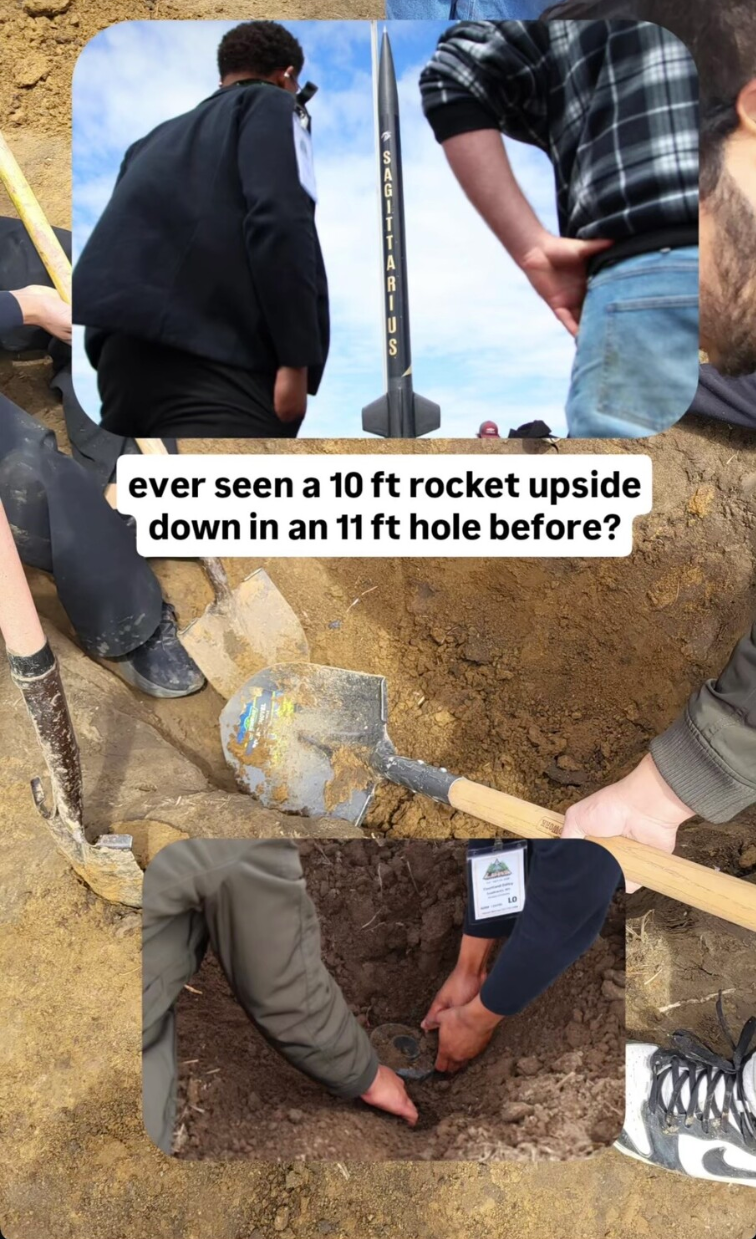
Recovery
The Horizon Is Still There
PSP Indy is not finished. Argonia Cup is coming up next. And beyond all of that, the Karman line, sitting exactly where I placed it on a roadmap I wrote alone the summer before any of this existed. I am stepping back from leading day-to-day operations to go deeper into manufacturing and systems engineering, to build the technical foundation underneath the operational instincts two years of leading this program gave me. PSP Indy deserves leaders who are still becoming who they need to be, and I need to go do that work.
What I am leaving behind is not a project that almost worked. It is the largest student organization on the Purdue Indianapolis campus, with real sponsors, real research partnerships, real community impact, and a rocket that flew. The kid from DeSoto Central who sat with that rejection letter wondering if he had wasted everything would not recognize any of this. I hope he would feel it though, because that is what this whole thing has always been about. Not the altitude. Not the numbers. The feeling of standing next to people who are genuinely proud of what they built together.
We got there. And we are just getting started.
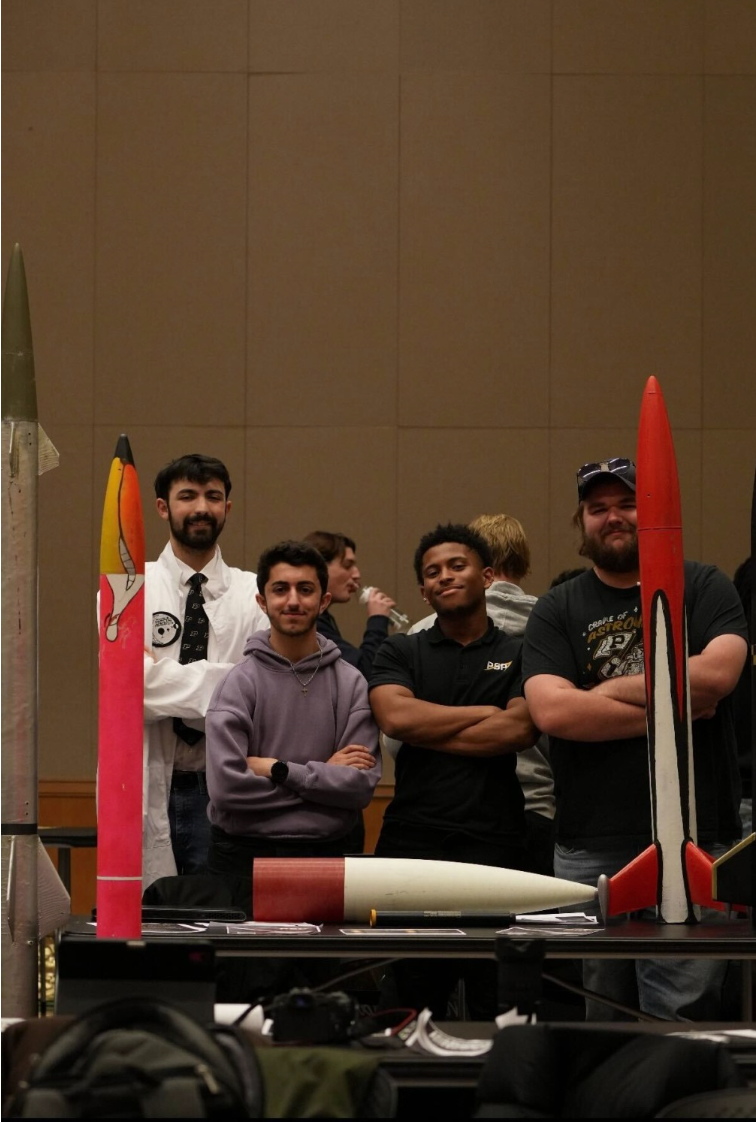
Thank you for reading. Best Regards, Courtland Bailey.
