
1200C Semiconductor Oven
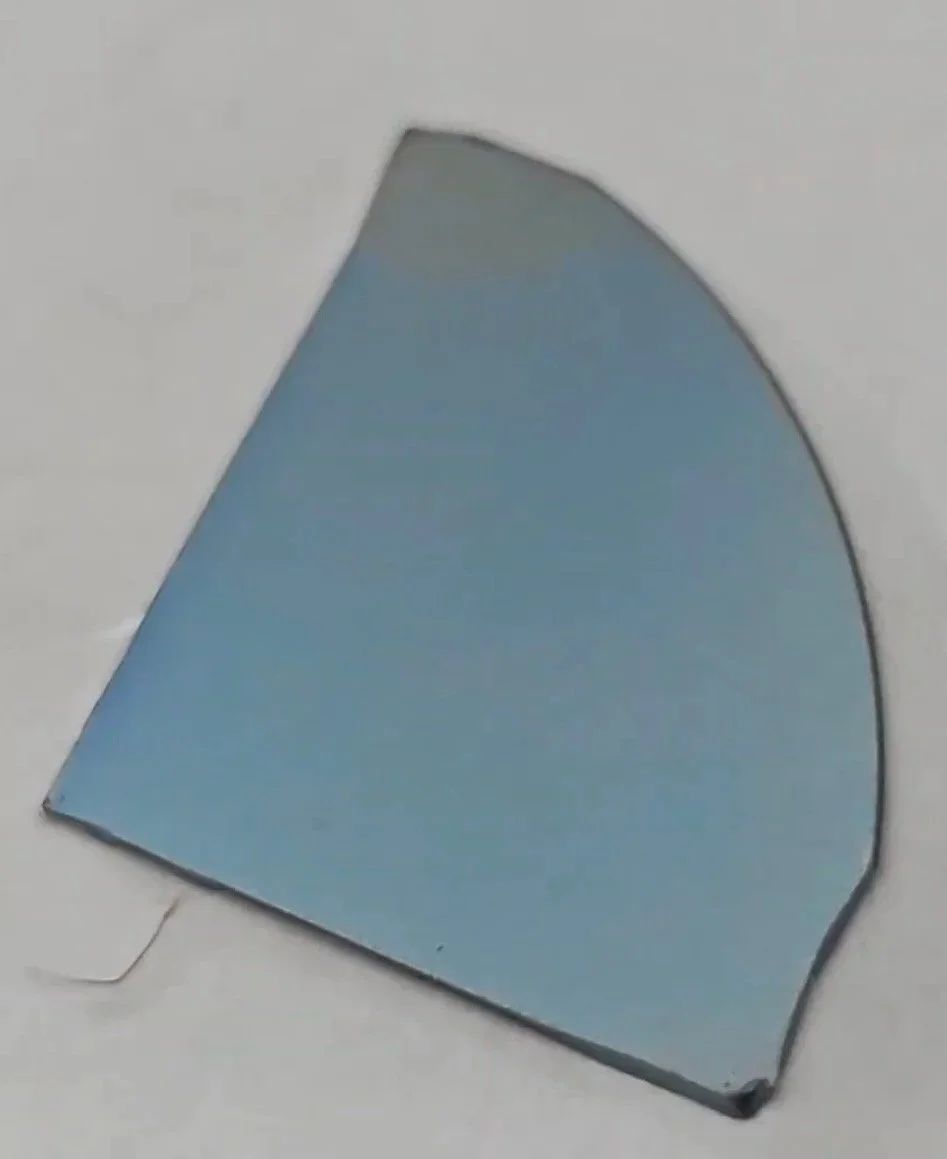
I built a 1200°C thermal oxidation furnace from off-the-shelf parts, using 22 gauge nichrome wire, an SSR relay, a Type K thermocouple, and a SYL-2352P PID controller running a 30-step ramp/soak program. After working through relay control, grounding, insulation, and temperature stability issues, I integrated everything into a working high-temperature system and tested it on a real silicon wafer. The process successfully grew a silicon dioxide layer approximately 500 nanometers thick, validating the furnace as a functioning end-to-end semiconductor process tool.
Year
2026
Month
July

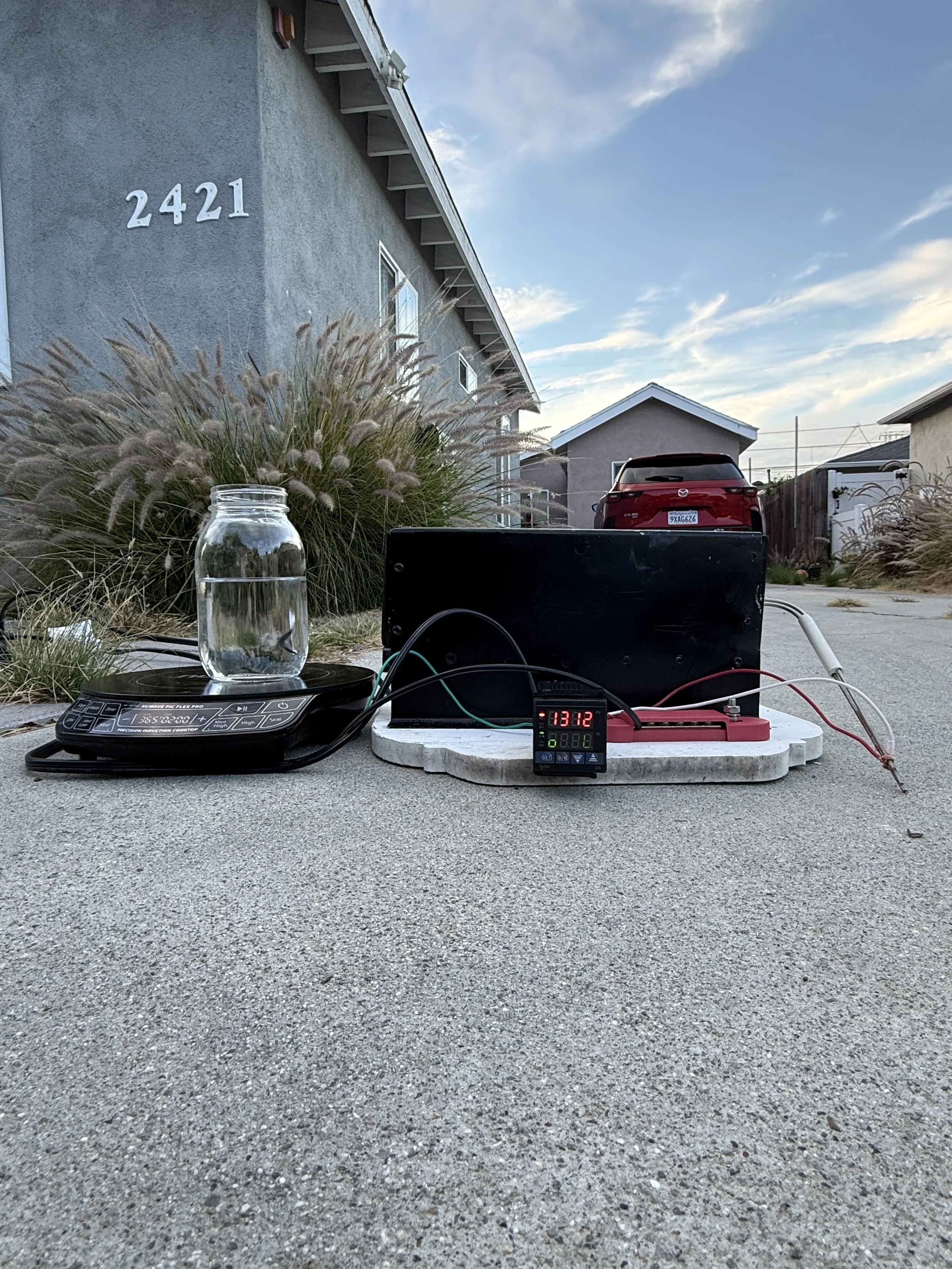
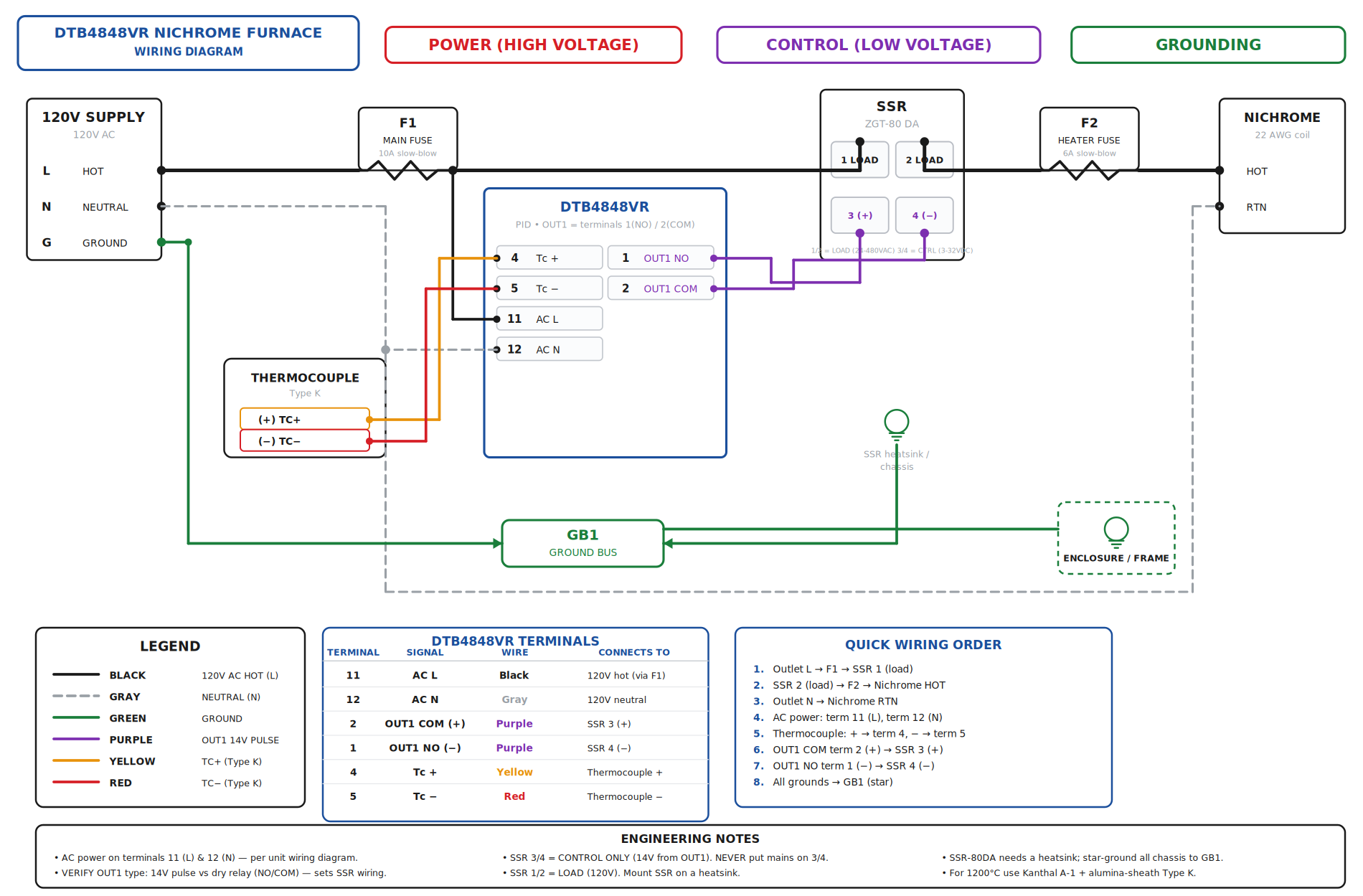
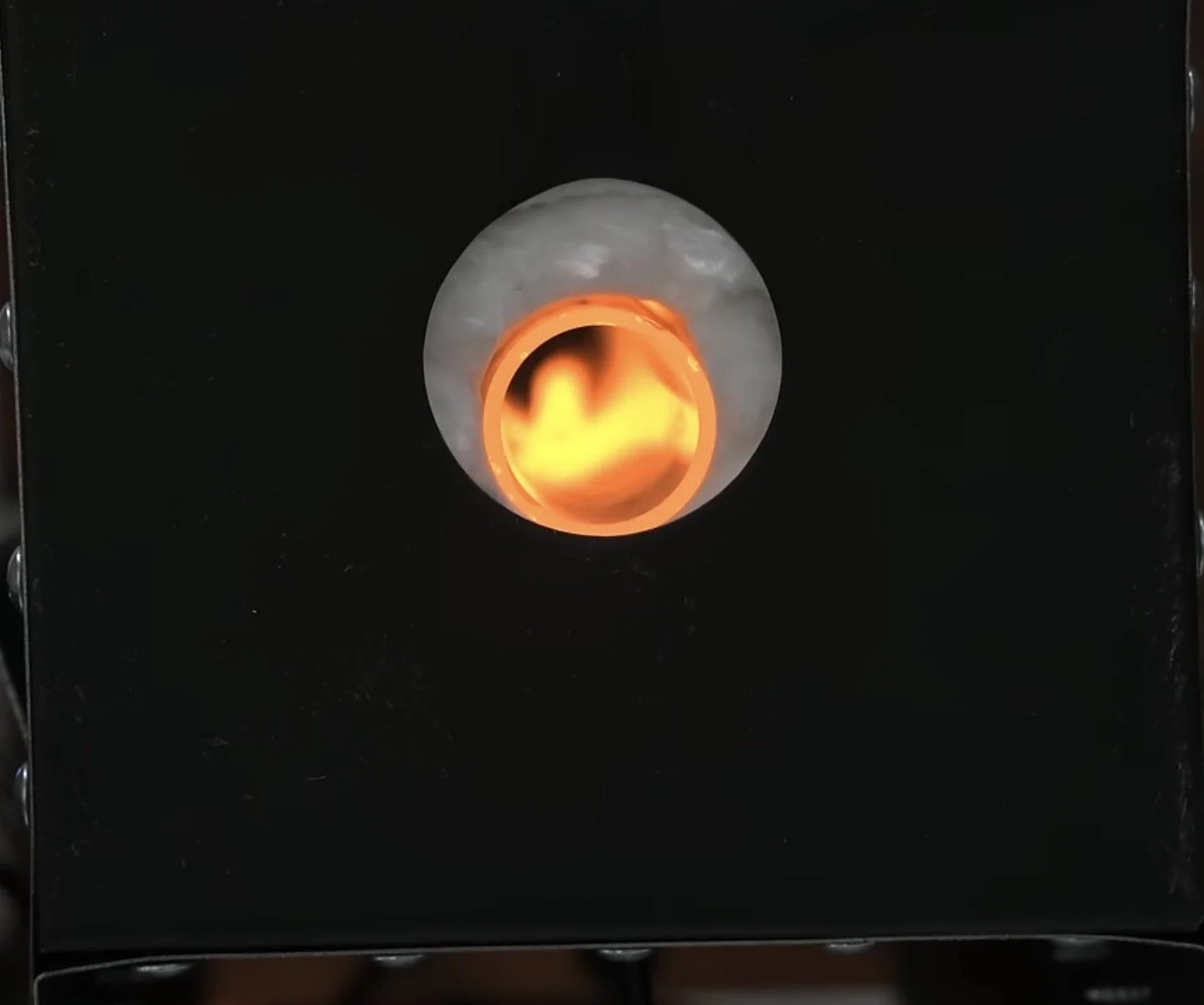
This project involved the design, integration, and validation of a resistive-heating thermal oxidation furnace capable of sustaining 1200°C, built to replicate a core process step in semiconductor wafer fabrication using non-specialized hardware. The heating element was constructed from 22-gauge nichrome wire wound onto a Flex Precision base, with temperature regulation handled by a SYL-2352P PID controller executing a 30-step ramp/soak profile and closed-loop feedback from a Type K thermocouple. Power switching was managed through a solid-state relay (SSR), which required troubleshooting a control signal mismatch between the SSR's input requirements and the controller's output before the loop could reliably hold setpoint.
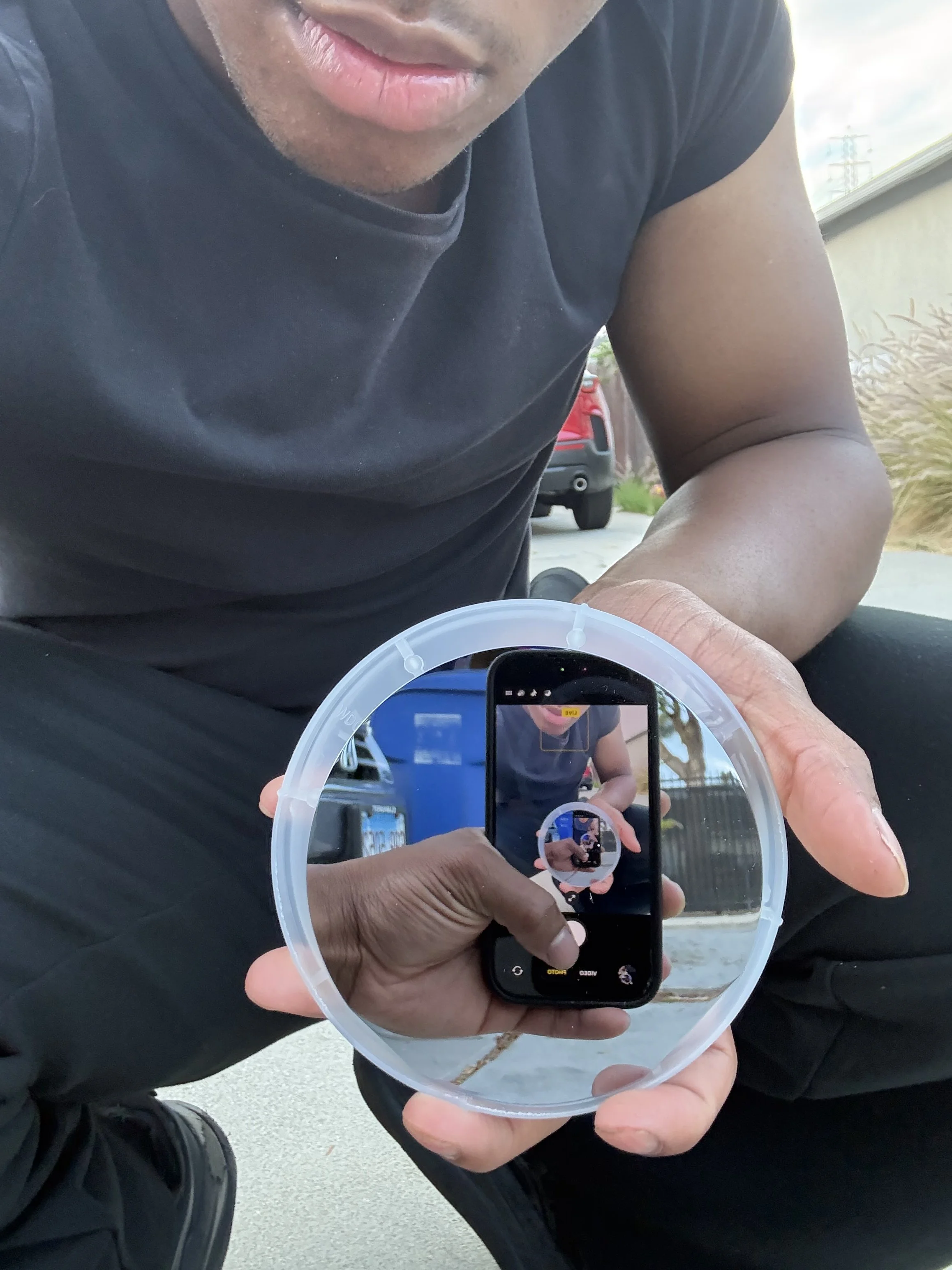
Beyond the control electronics, the build required addressing grounding and electrical isolation across the high-temperature enclosure, thermocouple placement to minimize measurement lag relative to the true process temperature, and insulation selection to maintain thermal stability at sustained high setpoints without introducing contamination risk to the wafer surface. Once the system reached repeatable temperature control, it was used to run an actual thermal oxidation process on a silicon wafer, producing a silicon dioxide layer approximately 500 nanometers thick as measured post-process, consistent with expected oxide growth for the time and temperature conditions used. This result validates the furnace as a functioning, closed-loop, end-to-end thermal processing system, and establishes a baseline for further work on uniformity, enclosure design, and correlating measured oxide thickness against Deal-Grove kinetic prediction.
— Collette Noll